

Unpacking might seem like a very simple task. However, it can require a lot of work and energy. For that reason, when unpacking a portable storage container, you might consider using professional assistance. Even if you have the assistance of Sanford moving and storage experts or do the task on your own, we want to provide you with some tips that can make the job easier. Let’s go over just some of them.
Plan the process of unpacking
Plan the unpacking process before opening the container. List each room in your home and match it to packed boxes. Use labels to direct boxes to their specific rooms quickly. Place heavy items near their final location to reduce lifting later. Keep pathways clear to move easily. If fragile items need special care, mark their spots for priority handling. Assign tasks if others are helping make the process smoother. Organize tools like cutters, gloves, and a dolly beforehand for quick access. A clear and organized plan will save time when unpacking your mobile storage in Oviedo FL and help you settle in efficiently.

Gather all the right tools
Gathering the right tools will make unpacking faster and safer. Use scissors or a box cutter to open boxes cleanly. Wear gloves to protect your hands from sharp edges or splinters. A dolly helps move heavy items without straining your back. Place furniture sliders under large pieces to protect floors and ease movement. Keep these tools nearby for quick access when you unpack your storage units in DeBary FL, and return them to a designated spot after use to stay organized. Proper preparation with the right tools ensures smooth progress and reduces the risk of accidents. Here are some other tools you want to have close by when unpacking a portable storage container, including:
- Tape measure
- Step stool
- Utility knife
- Bungee cords
- Labeling stickers
Check the storage for potential changes in position
Open your storage units in Longwood FL slowly to check for shifted items. Look for boxes or objects leaning or stacked unevenly. Identify anything at risk of falling and secure it before moving other items. Use caution when removing heavy or fragile items first, as these may cause instability. Ensure you have enough space around the container to safely adjust items if needed. Taking these precautions reduces the chance of damage and keeps the unpacking process safe and manageable.
How Long Does It Take to Unpack a Portable Storage Container?
Unpacking time depends more on preparation than container size. A single-room studio load typically takes 30–60 minutes, while a full 3-bedroom home packed into one of our storage units in Lake Mary FL can take 2–4 hours with two people working together. Add extra time if you’re unpacking directly into a newly renovated space, since you’ll need to stage items until rooms are ready. Working alone roughly doubles the time, mainly due to moving heavy furniture solo. If your timeline is tight — say, the container is scheduled for pickup the same day — prioritize clearing pathways and removing large furniture first, then let boxes sit staged in their target rooms to unpack at your own pace afterward.
Unpacking a portable storage container? Start with large items
Begin unpacking by removing large items, such as furniture, before smaller boxes. Clear these items first to create space and improve accessibility within the container. Move heavy or bulky objects carefully to avoid injuries or damage. Position each piece of furniture in its designated spot immediately to reduce the need for repeated lifting. By handling large items first, you minimize the risk of accidental damage to fragile or lightweight items packed around them. This method keeps the unpacking process organized and efficient, ensuring a safer environment for sorting smaller belongings afterward.

Take the room-by-room approach
Unpack one room at a time to keep the process organized and manageable. Start with spaces you use most, such as the kitchen or bedroom, to set up essential items quickly. Place boxes directly in their designated rooms based on labels, which helps you avoid confusion later. Fully unpack each space before moving on to the next to prevent mixing items from different areas. This focused approach saves time and simplifies settling into your new home by ensuring every item has a clear place from the beginning. It also reduces stress by maintaining a sense of order throughout unpacking.
Common Mistakes to Avoid When Unpacking a Portable Storage Container
Even with a plan, a few missteps cause most of the delays and damage we see:
- Opening the doors without checking for shifted items first. Contents can lean against the doors during transit, especially on uneven driveways.
- Unpacking boxes before deciding where furniture goes. This creates a maze you have to unpack around instead of into.
- Skipping labels on the way back out. If you’re storing a container long-term at a storage facility in Casselberry FL, unlabeled boxes make round two much harder.
- Leaving fragile items for last “to be safe.” Fatigue sets in after an hour of lifting, which is exactly when breakage happens. Handle fragile boxes while you’re still fresh, in a clear space.
- Not accounting for Florida humidity. If items have been in storage during summer months, let sealed boxes (especially electronics and wood furniture) acclimate for an hour before fully unpacking — see our guide on storing belongings safely in Florida’s heat for more on this.
Organize and declutter as you go
Unpack with intention by organizing and decluttering simultaneously. As you open each box, evaluate whether each item still serves a purpose. Set aside anything you no longer need for donation or disposal to prevent unnecessary clutter in your new space. Group similar items together immediately to create order and make future arrangements easier. This method ensures your belongings are sorted efficiently while giving you a chance to free up space for what matters most. By staying mindful of each item’s value and purpose, you can create a cleaner, more functional home as you unpack each room systematically.
Handle fragile items with care
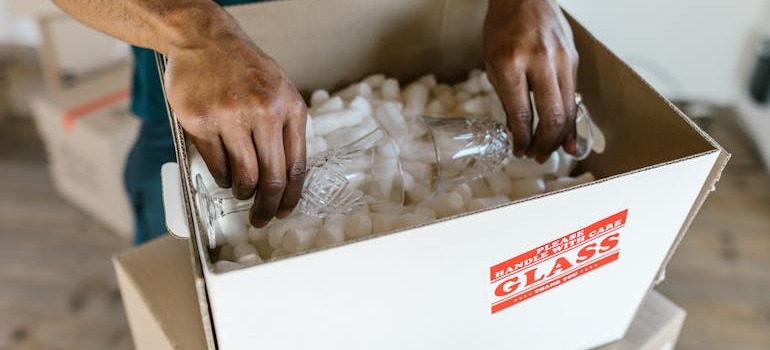
Handle fragile items with care to avoid accidents. When unpacking boxes labeled as fragile, place them in a safe area to work slowly and attentively. Remove each item carefully, checking for damage before setting it aside. Ensure delicate items, such as glassware or decorations, are placed on stable surfaces where they won’t risk falling. Keep bubble wrap and padding nearby to repack or protect items temporarily if needed, and dispose of these materials responsibly when finished. By prioritizing caution and organization, you reduce the risk of damage and keep your unpacking process smooth and stress-free.
Clean and recycle
Clean and recycle as you unpack to keep your space tidy. Wipe down the storage container after emptying it, especially if it will be returned. Gather packing materials like cardboard boxes, plastic wrap, and tape, sorting them into recyclable and non-recyclable categories. Check local guidelines to ensure proper recycling of these items. By disposing of waste responsibly and recycling materials, you reduce clutter and support sustainability efforts. Keeping the unpacking area clean also helps you stay organized and prevents accidents or misplaced items. This approach simplifies the process and leaves your space ready for the next steps.
Unpacking Solo vs. With Help vs. With Movers
| Approach | Best for | Typical time (3-bed home) |
|---|---|---|
| Solo | Small households, flexible timeline | 4–6 hours |
| With friends/family | Most moves | 2–3 hours |
| Professional movers | Heavy furniture, tight timeline, downsizing | 1–2 hours |
If you’re weighing whether to hire help, the deciding factors are usually furniture weight, stairs, and how firm your timeline is. COWS crews can unload directly from the container into your home, which is often the fastest option when you’re also short on people-power.
Ready to Make Unpacking the Easy Part?
With all of our tips for unpacking a portable storage container, we’re sure you’ll have a much easier task. A little planning — the right tools, a room-by-room approach, and patience with fragile items — turns what feels like an overwhelming pile of boxes into a manageable afternoon. Of course, make sure to find the right storage space with the help of the Better Business Bureau or other reputable places. But one thing is certain: unpacking your container doesn’t have to be stressful when you have a plan.
Need a hand with the heavy lifting, or still deciding on the right container size for your move? The team at COWS Mobile Storage is here to help, from drop-off to unload. Contact us today or get a free quote to get started.